
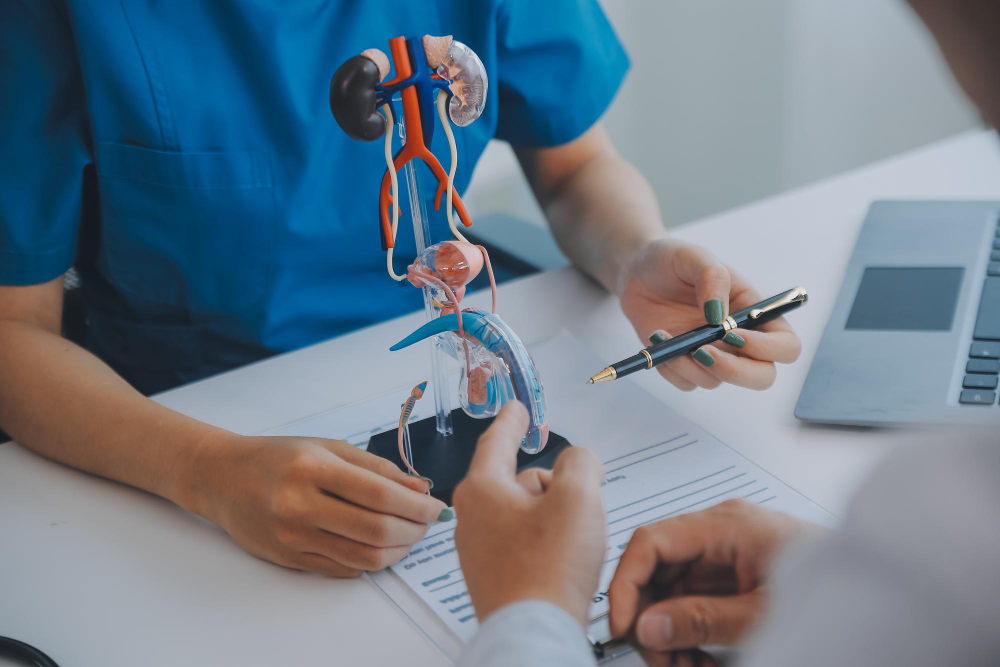
What Is Urethroscopy?
Urethroscopy is a simple medical test. Doctors use it to look inside the urethra, which is the tube that carries urine out of the body. During a urethroscopy procedure, a thin, flexible tube with a camera, called a urethroscope, is gently inserted into the urethra. This tool helps doctors see any problems inside the tube. Because it gives a clear view, urethroscopy helps find the cause of urinary symptoms quickly.
Why Is Urethroscopy Done?
Doctors may suggest urethroscopy for several reasons. Often, it helps find the cause of symptoms like pain or trouble passing urine. In many cases, it is the best way to see inside the urethra. Common reasons for urethroscopy include:
Sometimes, doctors also use urethroscopy to guide treatment or remove small objects.
How Is Urethroscopy Performed?
Understanding how urethroscopy is performed can help ease worries. First, the doctor will ask you to lie down. Then, they clean the area and may use a numbing gel to reduce discomfort. Next, the doctor gently inserts the urethroscope into the urethra. The camera sends images to a screen, so the doctor can look for any problems. Usually, the whole urethroscopy procedure takes less than 30 minutes. Most people feel only mild discomfort.
What to Expect Before, During, and After Urethroscopy
Before the test, your doctor may ask you to empty your bladder. Sometimes, you may need to stop certain medicines. During the procedure, you may feel pressure or a slight burning feeling. However, the numbing gel helps most people stay comfortable. After urethroscopy, you might notice mild burning when you urinate. This feeling usually goes away in a day or two. To help your recovery, drink plenty of water and follow your doctor’s advice.
Risks and Benefits of Urethroscopy
Like any medical test, urethroscopy has both risks and benefits. The benefits include finding the cause of urinary problems quickly and guiding treatment. Because the test is direct, it often gives clear answers. However, there are some risks. These may include:
Most people recover quickly without problems. If you have a fever, chills, or severe pain after the test, contact your doctor right away. According to the CDC and peer-reviewed studies, serious complications are rare.
Frequently Asked Questions About Urethroscopy
Conclusion and Next Steps
In summary, urethroscopy is a safe and helpful test for finding urinary problems. It gives doctors a clear view inside the urethra and helps guide treatment. If you have symptoms like pain or blood in your urine, your doctor may suggest this test. For more information, consult Dr. Satish for personalized guidance about urethroscopy or any urinary concerns.