
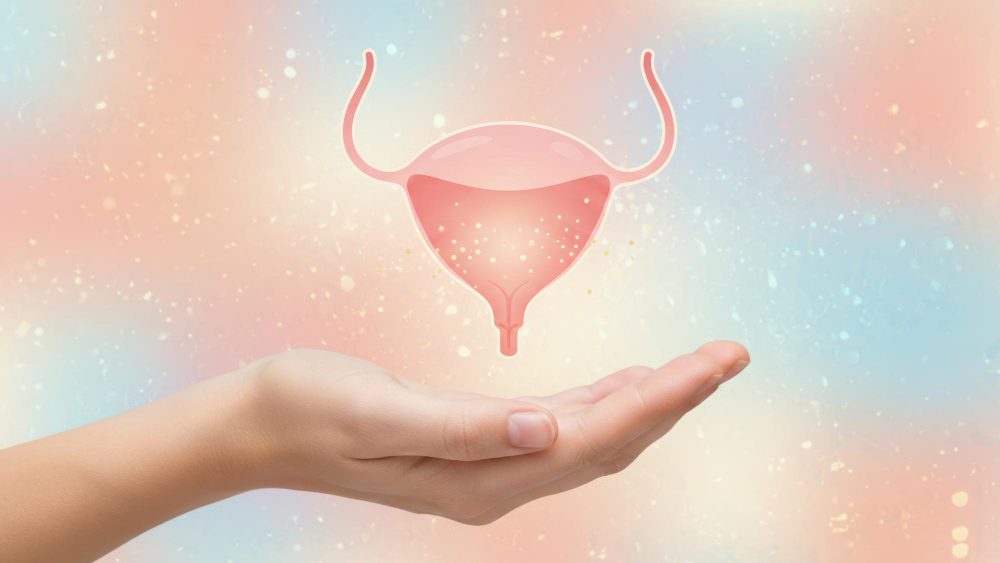
What Is Bladder Health?
Bladder health means your bladder works well and stays free from problems. The bladder is a small organ in your lower belly. It stores urine until you are ready to go to the bathroom. Good bladder health helps you feel comfortable and avoid pain or leaks. For many people, keeping the bladder healthy is part of overall urinary health. In some cities, you may find local bladder health tips from clinics or health centers. Because your bladder is important, caring for it should be part of your daily routine.
Common Bladder Problems
Many people face bladder problems at some point in their lives. However, knowing about these issues can help you take action early. Some common bladder problems include:
For example, UTIs can cause pain and frequent trips to the bathroom. Overactive bladder may make you feel the urge to go often. Because these problems affect daily life, it is important to learn about bladder care and prevention.
Symptoms of Bladder Issues
Bladder problems can show up in different ways. However, some symptoms are more common than others. Watch for these signs:
Because these symptoms can signal a problem, you should not ignore them. Early care can help prevent more serious issues.
Causes and Risk Factors
Many things can affect your bladder health. Some causes and risk factors include:
For example, women are more likely to get UTIs. Because some risk factors can be changed, you can take steps to lower your risk.
How to Maintain Bladder Health
Keeping your bladder healthy is possible with simple daily habits. For instance, you can:
Because these steps are easy to follow, they can help you avoid bladder problems. In many cities, local health programs offer bladder care advice and support.
Prevention Tips for a Healthy Bladder
Prevention is key for bladder problem prevention and better urinary health. Try these tips:
Because good habits make a big difference, start these steps early. For those looking for bladder health tips in your area, check with local health centers or your doctor.
When to See a Doctor
Sometimes, bladder problems need medical care. However, knowing when to get help is important. See a doctor if you have:
Because early treatment can prevent more serious problems, do not wait to seek help. Consult Dr. Satish if you notice these signs.