
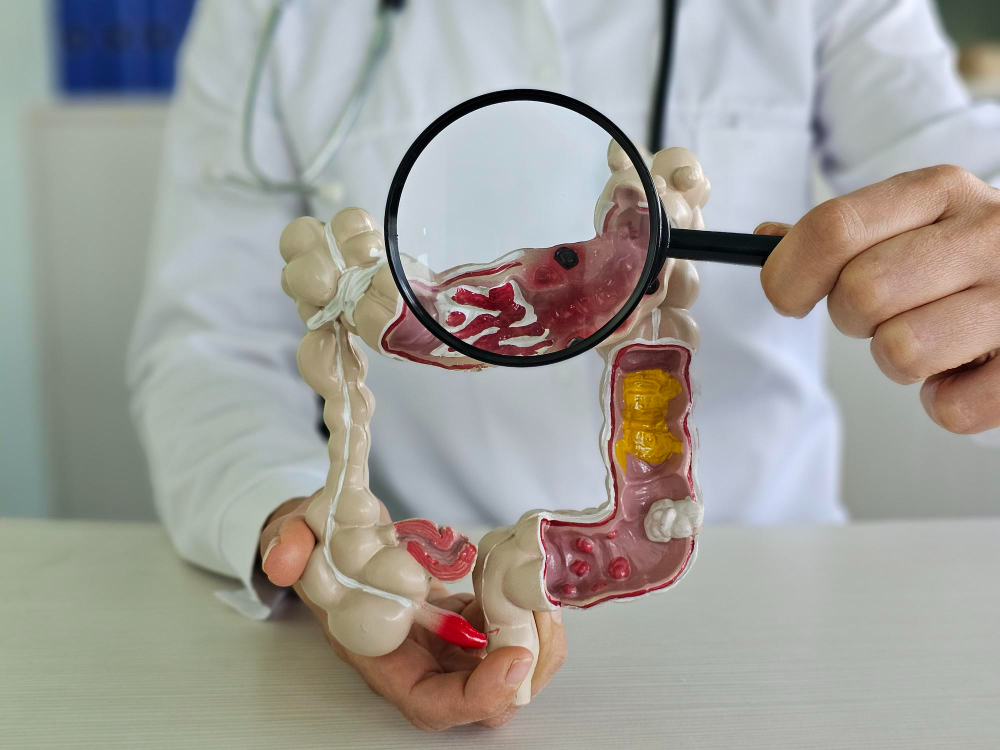
What Is a Perforated Ulcer?
A perforated ulcer is a serious digestive emergency. It happens when an open sore, called an ulcer, forms a hole in the wall of the stomach or the first part of the small intestine. Because of this hole, food and stomach juices can leak into the belly. This can cause infection and severe pain. In fact, a perforated ulcer is one of the most dangerous stomach ulcer complications. Without quick treatment, it can be life-threatening. According to the World Health Organization, digestive emergencies like this need urgent care.
Common Symptoms of a Perforated Ulcer
Symptoms of a perforated ulcer often appear suddenly. For example, many people feel a sharp, severe pain in the upper belly. However, other signs can also show up. Because this is a medical emergency, it is important to know the symptoms. Watch for these warning signs:
Sometimes, people may also notice their heart beating faster. If you notice these symptoms, seek help right away. Early treatment can prevent serious problems.
Causes and Risk Factors
Many things can lead to a perforated ulcer. Most often, it starts with a stomach ulcer that gets worse over time. But, certain factors make this more likely. For instance, infection with a bacteria called Helicobacter pylori is a common cause. In addition, using pain medicines like ibuprofen or aspirin for a long time can damage the stomach lining. Other risk factors include:
Because these risk factors can add up, it is important to talk with your doctor if you have concerns. The CDC notes that reducing these risks can help prevent digestive emergencies.
How Is a Perforated Ulcer Diagnosed?
Doctors use several steps to diagnose a perforated ulcer. First, they ask about your symptoms and medical history. Then, they may press gently on your belly to check for pain or swelling. Often, doctors order tests to confirm the diagnosis. For example, they may use:
Because a perforated ulcer is a digestive emergency, doctors act quickly. Early diagnosis can help prevent further stomach ulcer complications.
Treatment Options for Perforated Ulcer
Treating a perforated ulcer usually requires surgery. In many cases, doctors perform emergency general surgery to close the hole and clean the belly. Before surgery, you may get fluids and antibiotics through a vein. This helps fight infection and keeps you stable. Sometimes, if the hole is very small, doctors may use other treatments. However, surgery is the most common option. After treatment, you may need medicine to heal the ulcer and prevent new ones. The goal is to stop the leak, treat infection, and help your digestive system recover.
Lifestyle Tips and Prevention
While not all cases can be prevented, you can lower your risk of a perforated ulcer. For instance, making healthy choices can protect your stomach. Try these tips:
Because early care can prevent complications, always talk to your healthcare provider about any digestive symptoms. In many cities, hospitals are ready to help with digestive emergencies at any time. Following these steps can help keep your digestive system healthy and lower your risk of serious problems, consult Dr Satish now.