
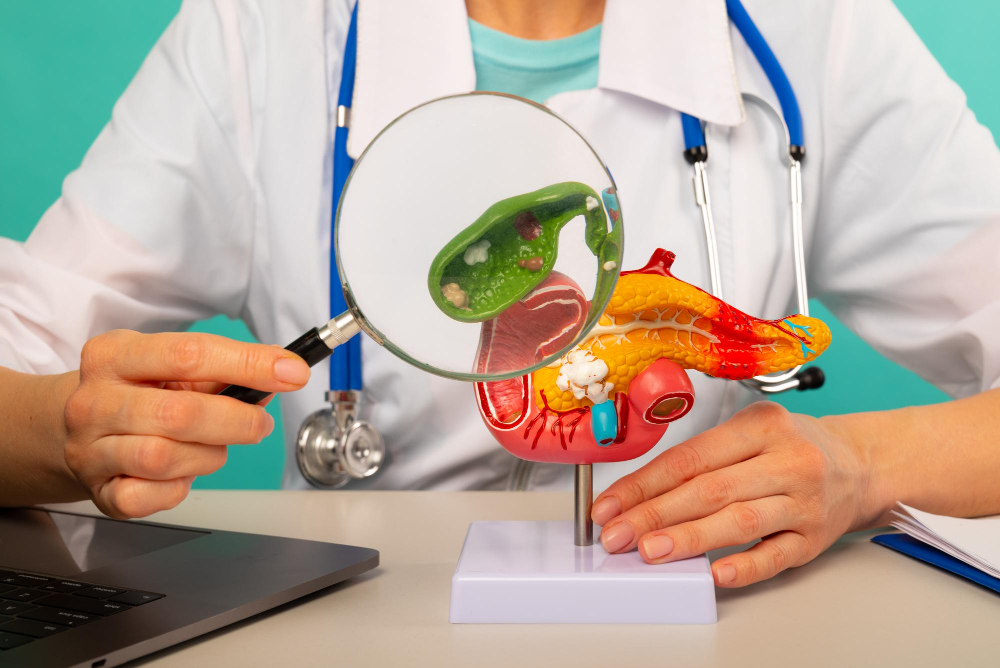
What Are Gallbladder Stones?
Gallbladder stones, also called gallstones, are small, hard pieces that form in the gallbladder. The gallbladder is a small organ under your liver. It stores bile, which helps digest fat. Sometimes, bile can form stones. These stones can be as small as a grain of sand or as large as a golf ball. Gallbladder stones surgery may be needed if these stones cause problems.
Common Symptoms of Gallbladder Stones
Many people with gallstones have no symptoms. However, some may feel pain or discomfort. For example, you might notice:
Because symptoms can vary, it is important to watch for these signs. If you notice them, you should seek medical advice.
Causes and Risk Factors
Gallstones form when the balance of substances in bile changes. For instance, too much cholesterol or bilirubin can lead to stones. Several factors can increase your risk:
Even though anyone can get gallstones, these factors make them more likely.
How Are Gallbladder Stones Diagnosed?
Doctors use several tests to find gallstones. First, they may ask about your symptoms and health history. Next, they may do a physical exam. Often, an ultrasound is used to see the stones. Sometimes, blood tests check for infection or other problems. In some cases, other scans like CT or MRI may be needed. Because early diagnosis helps prevent complications, it is wise to see a doctor if you have symptoms.
When Is Surgery Needed for Gallbladder Stones?
Not everyone with gallstones needs surgery. However, surgery is often needed if you have:
Doctors call these gallbladder surgery indications. If you have no symptoms, you may not need surgery. But, if you have pain or complications, your doctor may suggest removing the gallbladder. This is called a cholecystectomy. For more details, you can ask about “when to remove gallbladder” and discuss your options.
Types of Gallbladder Surgery
There are two main types of gallbladder stones surgery:
Because each person is different, your doctor will choose the best type for you. In many cities, you can find experienced surgeons for gallbladder surgery.
Recovery and Aftercare
After gallbladder surgery, most people recover quickly. For example, after laparoscopic surgery, you may go home the same day. You can often return to normal activities in about a week. However, after open surgery, recovery may take longer. During recovery, you should:
Because everyone heals at their own pace, it is important to listen to your body and your doctor.
Prevention Tips
While not all gallstones can be prevented, you can lower your risk. For instance, you can:
Because healthy habits support your gallbladder, these steps may help prevent stones.
When to Consult a Doctor
If you have sudden or severe belly pain, you should see a doctor right away. Also, if you notice yellow skin, fever, or vomiting, seek help quickly. Early treatment can prevent serious problems. For ongoing symptoms or questions about gallbladder stones surgery, consult a specialist. They can guide you on the best treatment for gallstones.
Consult Dr.Satish for personalized advice on gallbladder stones and surgery options.