
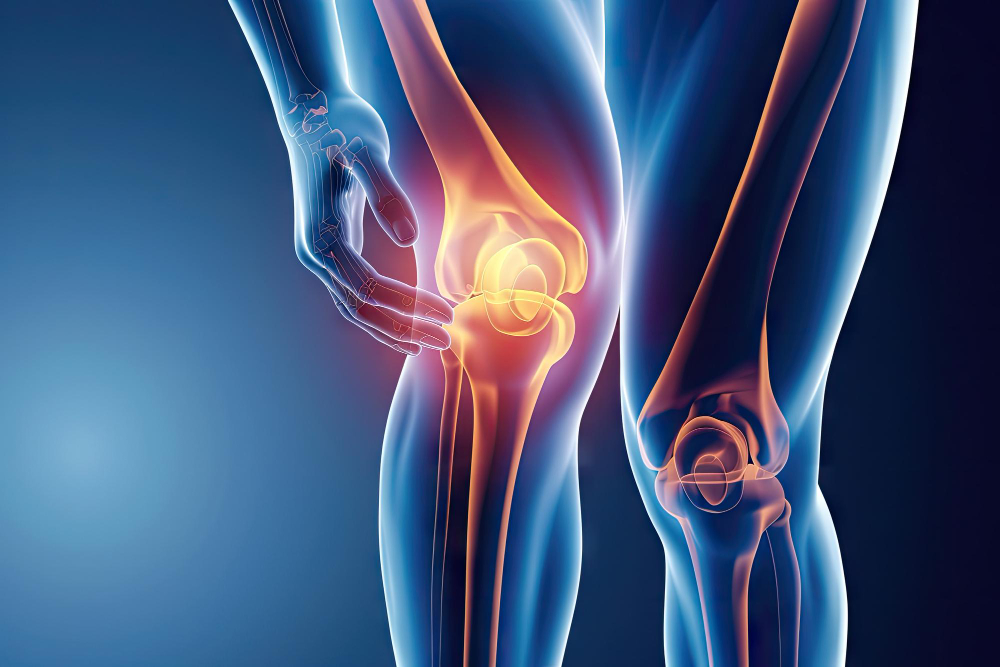
Introduction to Severe Knee Pain
Many people experience knee pain at some point. However, severe knee pain can make daily life difficult. For some, knee replacement surgery offers hope. This procedure can bring relief when other treatments fail. If you struggle with severe knee pain, understanding your options is important. In this blog, we will explore knee replacement surgery and when it may help.
Common Causes of Severe Knee Pain
Severe knee pain can happen for many reasons. Often, it is due to damage or wear in the knee joint. Some common causes include:
Because there are many causes, it is important to get the right diagnosis.
When to Consider Knee Replacement Surgery
Not everyone with knee pain needs surgery. However, some signs suggest it may be time to consider knee replacement surgery. For example, you may need surgery if:
If you notice these signs, talk to your doctor about knee replacement surgery options.
Diagnosis and Evaluation Process
First, your doctor will ask about your symptoms and health history. Next, they will examine your knee. Often, they will order X-rays or MRI scans to see inside the joint. Blood tests may also help rule out infection or other problems. After these steps, your doctor will discuss the best severe knee pain treatment for you. Sometimes, they may suggest knee replacement surgery if other options do not work.
Types of Knee Replacement Procedures
There are different types of knee replacement surgery. Your doctor will choose the best one for your needs. The main types include:
Each type has its own benefits and risks. Your doctor will explain which is right for you.
Benefits and Risks of Knee Replacement Surgery
Knee replacement surgery can bring many benefits. For example, it can:
However, like any surgery, there are risks. These may include:
Most people recover well, but it is important to know the risks and benefits before deciding.
Recovery and Rehabilitation Tips
After knee replacement surgery, recovery takes time. Usually, you will stay in the hospital for a few days. Physical therapy starts soon after surgery. This helps you regain strength and movement. To recover well, follow these tips:
With time and effort, most people return to normal activities within a few months.
Prevention and Lifestyle Guidance
While not all knee pain can be prevented, some steps may help. For instance, you can:
These habits can help protect your knees and may delay the need for surgery.
Frequently Asked Questions
If you have more questions, your doctor can provide answers based on your needs.
Consult an orthopedic specialist Dr. Satish for personalized advice on severe knee pain and knee replacement surgery.