
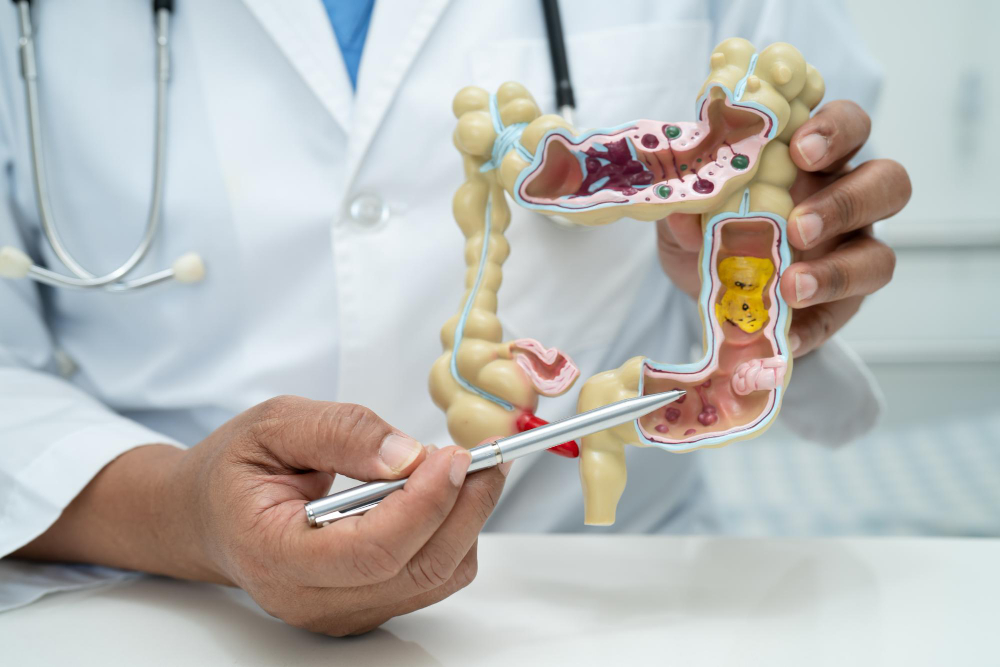
Introduction: What Is Bowel Resection?
Bowel resection is a type of intestinal surgery. Doctors remove a part of the intestine when it is damaged or diseased. This surgery can save lives and improve health. For many people, knowing when bowel resection is needed can help them seek care early. Understanding the reasons for intestine removal is important for your health.
Symptoms and Signs: When Might Surgery Be Needed?
Sometimes, the intestine gets blocked or very sick. In these cases, surgery may be the best choice. Watch for these signs:
If you notice these symptoms, see a doctor right away. Early care can prevent serious problems.
Causes: Common Reasons for Intestinal Removal
There are several reasons why doctors may suggest bowel resection. Some of the most common causes include:
Each of these reasons for intestine removal is serious. However, with the right care, many people recover well.
Diagnosis: How Doctors Decide If Surgery Is Necessary
Doctors use several steps to decide if bowel resection is needed. First, they ask about your symptoms and health history. Next, they may do a physical exam. Often, doctors use tests such as:
After these tests, your doctor will talk with you about the best treatment. Sometimes, other treatments can help. But if the intestine is badly damaged, surgery may be the safest option.
Treatment: What Happens During Bowel Resection Surgery?
Bowel resection is done in a hospital. Before surgery, you will get medicine to help you relax and sleep. During the operation, the surgeon removes the damaged part of the intestine. Then, the healthy ends are joined together. In some cases, a temporary opening called a stoma is made in the belly. This helps waste leave the body while the intestine heals. Most people stay in the hospital for a few days after surgery.
Recovery and Lifestyle: What to Expect After Surgery
After bowel resection, recovery takes time. However, most people can return to normal life with care. Here are some tips for healing:
Some people may need to adjust their diet. For example, eating smaller meals or avoiding certain foods can help. Over time, your body will adapt. Support from family and friends can make recovery easier.
Prevention: Steps to Reduce the Risk of Needing Bowel Resection
While not all causes can be prevented, you can lower your risk. Consider these steps:
Early treatment of bowel problems can prevent serious issues. In many regions, access to skilled surgeons and hospitals can improve outcomes. Always seek care if you notice warning signs.
Conclusion
Bowel resection is a major surgery, but it can save lives. Knowing the symptoms and reasons for intestine removal helps you make informed choices. If you have concerns about your bowel health, consult a gastroenterologist Dr. Satish for personalized advice about bowel health or surgery.