
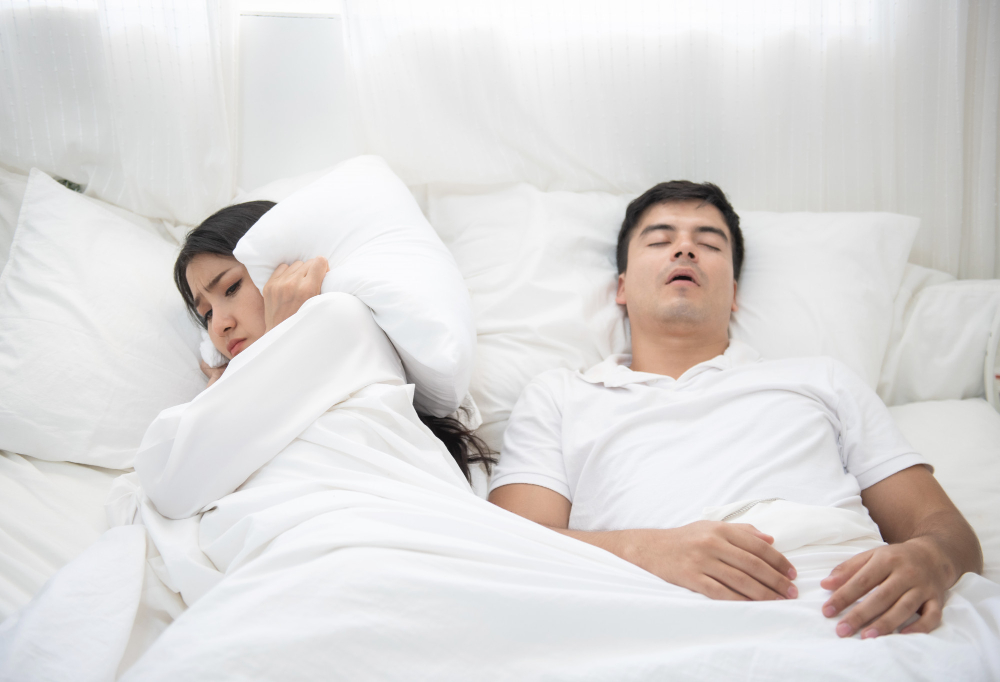
What is Sleep Apnea?
Sleep apnea is a common sleep disorder. It causes your breathing to stop and start while you sleep. Many people think it is just about loud snoring. However, the effects go much deeper. In the United States, millions of adults have sleep apnea, but many do not know it. Understanding how sleep apnea affects your health is important for everyone.
Common Symptoms of Sleep Apnea
Often, people miss the signs of sleep apnea. Still, knowing the symptoms can help you get help sooner. Here are some common signs:
Sometimes, people do not notice these signs. But family members may spot them first.
Health Risks and Complications Beyond Snoring
Sleep apnea is more than just snoring. In fact, untreated sleep apnea can lead to serious health problems. For example, it can raise your risk for:
Moreover, sleep apnea can make other health issues worse. According to the CDC, people with sleep apnea have a higher chance of car accidents due to daytime sleepiness. Clearly, the dangers of untreated sleep apnea go far beyond the bedroom.
Diagnosis: How Sleep Apnea is Identified
Doctors use several ways to check for sleep apnea. First, they ask about your sleep habits and health history. Next, they may suggest a sleep study. During a sleep study, your breathing, heart rate, and oxygen levels are tracked while you sleep. Sometimes, this test happens at a sleep center. Other times, you can do it at home with special equipment. Early diagnosis helps prevent sleep apnea complications.
Treatment Options for Sleep Apnea
Thankfully, many treatments can help manage sleep apnea. Your doctor will suggest the best plan for you. Common options include:
With the right treatment, you can lower your risk of sleep apnea health effects.
Lifestyle Tips and Prevention
Besides medical treatment, simple lifestyle changes can help. For instance, you can:
These steps may reduce how sleep apnea impacts the body. Even small changes can make a big difference.
When to See a Doctor
If you notice signs of sleep apnea, do not wait. For example, if you feel tired all day or snore loudly, talk to your doctor. Early help can prevent serious sleep apnea complications. Remember, sleep is vital for your health and well-being.
In summary, sleep apnea is a serious condition that affects more than just your sleep. If you suspect you have sleep apnea, consult our specialist at Mahalakshmi Hospital for personalized guidance and effective treatment options. Our expert team is here to help improve your quality of sleep and overall health.