
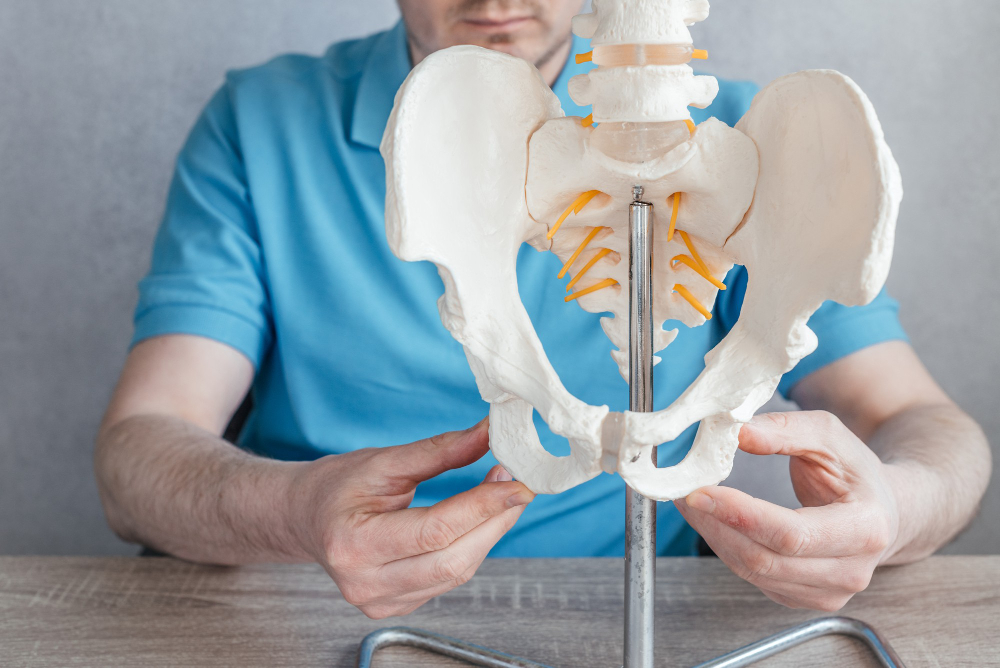
Introduction to Developmental Dysplasia of Hip (DDH)
Developmental dysplasia of hip (DDH) is a condition where the hip joint does not form properly in babies and young children. Because the hip is a ball-and-socket joint, it needs to fit together well for normal movement. However, in DDH, the ball may be loose in the socket or even slip out. Early detection of hip dysplasia in children is important. With early care, children can often avoid long-term problems. According to the American Academy of Pediatrics, DDH affects about 1 in 1,000 babies.
Causes and Risk Factors
Many factors can increase the risk of developmental dysplasia of hip. Sometimes, the exact cause is unknown. However, certain things make DDH more likely:
In addition, babies born in colder climates, where swaddling is common, may have a higher risk. But, not all children with these risk factors will develop DDH.
Common Symptoms and Signs
Often, DDH does not cause pain in babies. Still, there are signs parents and doctors can watch for. For example, you may notice:
Because early symptoms can be hard to spot, regular check-ups are important. Pediatricians often check for DDH during newborn visits.
Diagnostic Methods
Doctors use several ways to diagnose developmental dysplasia of hip. First, they perform a physical exam. During this, they gently move the baby’s legs to check for looseness or clicking. Next, if DDH is suspected, imaging tests may be used. For babies under six months, an ultrasound is common. For older babies and children, an X-ray gives a clear picture of the hip joint. Early diagnosis helps start treatment quickly, which improves outcomes.
Treatment Options for Hip Dysplasia
Non-Surgical Treatments
For many babies, non-surgical treatment works well. The most common method is a soft brace called a Pavlik harness. This keeps the hips in the right position while they grow. Usually, the harness is worn for several weeks or months. In some cases, a special splint or cast may be used instead. Regular check-ups help make sure the hip is healing as expected.
Surgical Treatments
If non-surgical methods do not work, or if DDH is found later, surgery may be needed. Surgeons may move the hip into place and hold it with a cast. Sometimes, they reshape the hip bones to help the joint fit better. After surgery, children often need physical therapy to regain strength and movement. Although surgery sounds scary, most children recover well.
Prevention Tips and Lifestyle Guidance
While not all cases of DDH can be prevented, some steps may help lower the risk:
Additionally, early screening is key, especially for babies with risk factors. Parents should ask their doctor about hip checks during routine visits.
Prognosis and Long-Term Outlook
With early treatment, most children with developmental dysplasia of hip grow up with healthy hips. They can run, play, and join in sports like other kids. However, if DDH is not treated, it can lead to pain, limping, or arthritis later in life. Therefore, early care makes a big difference. According to the CDC, most children treated early have excellent results.
When to Seek Help
If you notice any signs of DDH or have concerns about your child’s hips, talk to your doctor right away. Early action can prevent future problems and help your child stay active.
Consult a specialist for personalized guidance on developmental dysplasia of hip.